
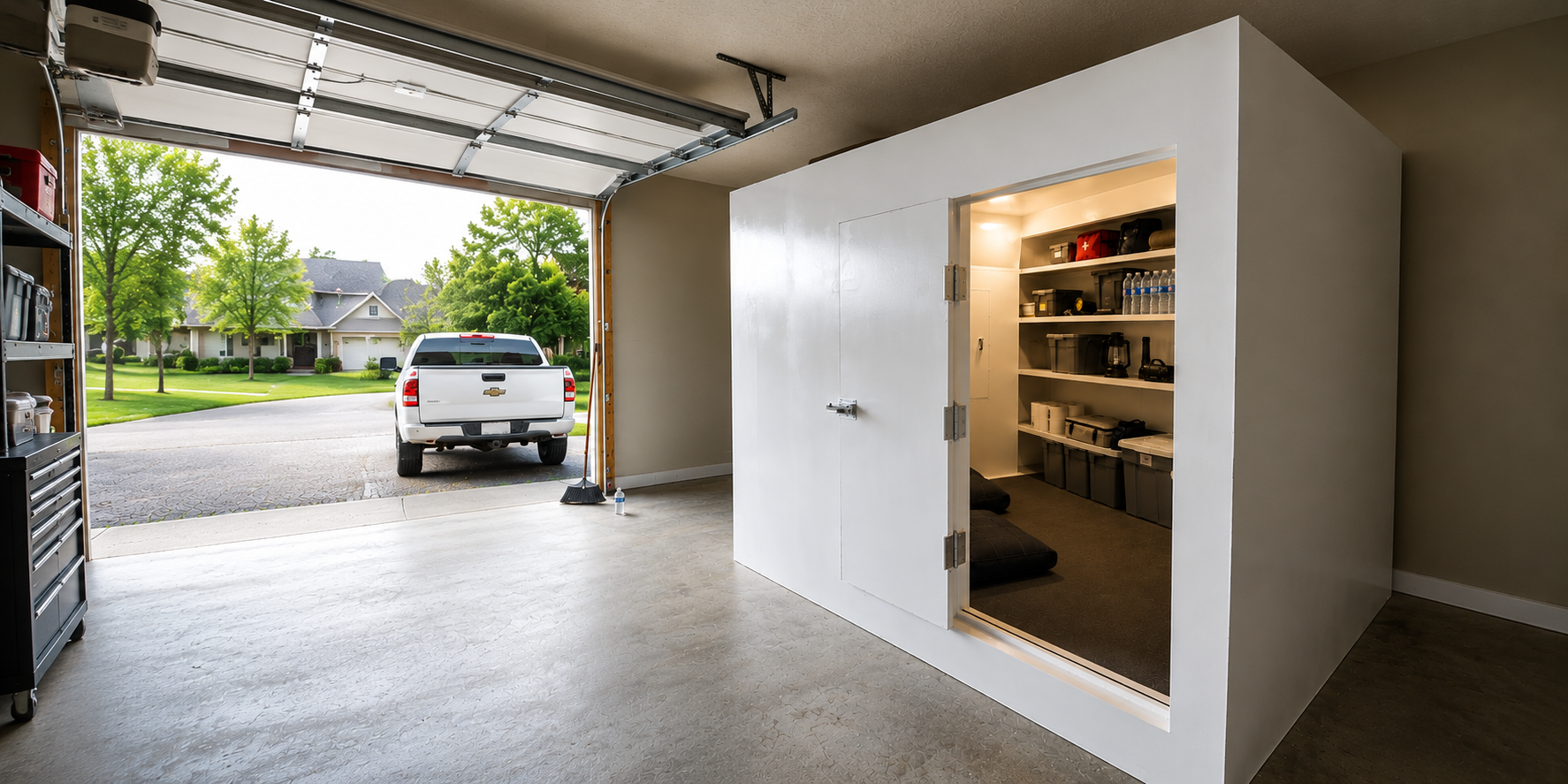
Discover why homeowners in IL, IN, and KY are installing storm shelters for safety, storage, and year-round preparedness.

Prepare your home and pets for severe weather with Safe Place Selfie Day. Learn how Illinois, Indiana, and Kentucky homeowners can stay safe.

Do storm shelters increase home value? Learn how storm shelters impact resale price, buyer demand, and marketability in tornado-prone areas.
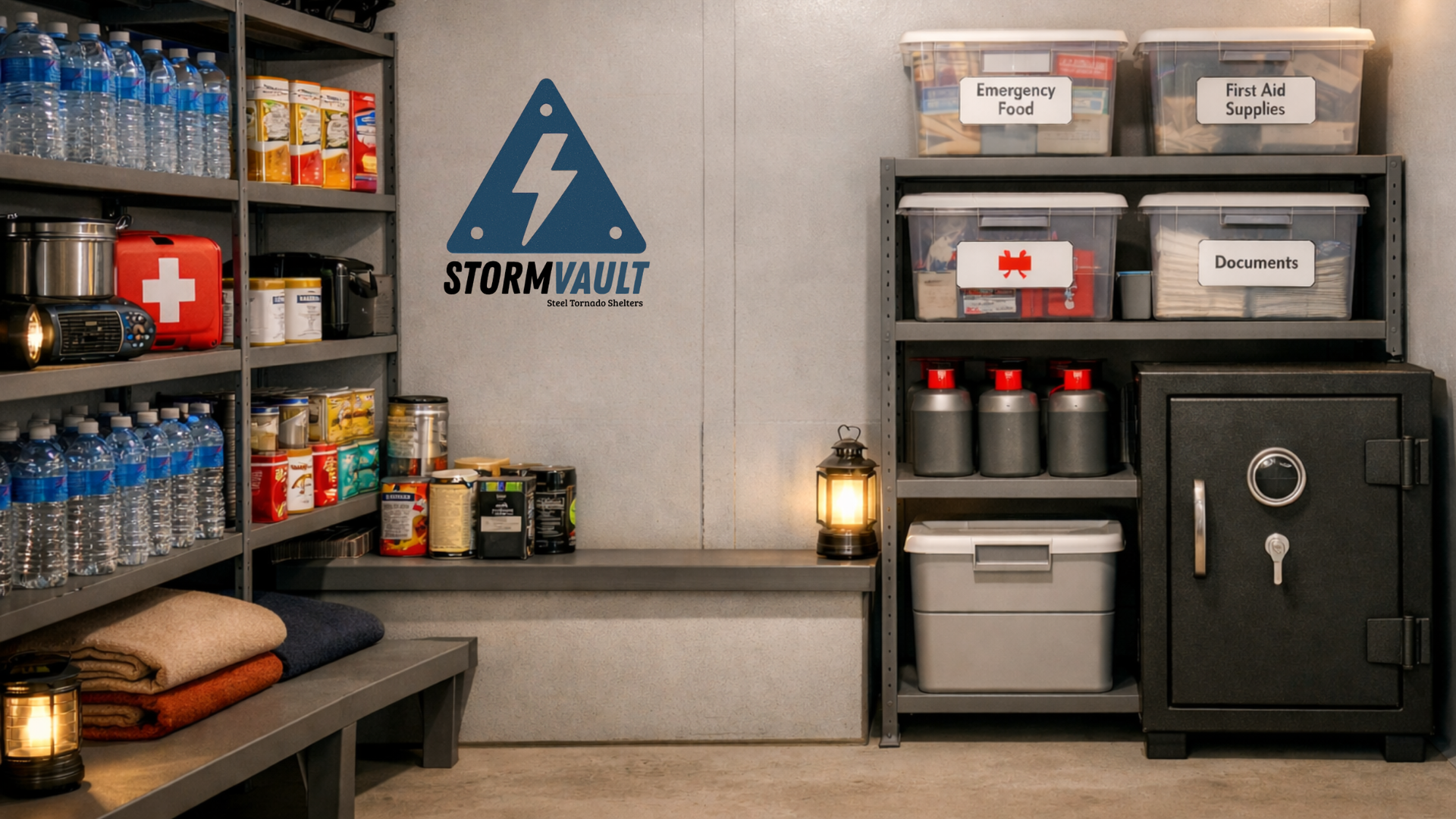
When most people think about storm shelters, one image comes to mind: families huddled together while a tornado tears through town. And while that life-saving purpose is reason enough to invest in a shelter, it’s far from the whole story. Today’s homeowners are discovering that storm shelters-especially professionally designed and installed systems like those from StormVault Shelters -offer value far beyond severe weather events. Because shelters are secure, cool, reinforced, and protected , many families turn them into multi-purpose preparedness hubs and secure spaces they rely on year-round. In fact, once a shelter is installed, most owners say the same thing: “We use it way more than we expected.” Let’s take a closer look at the most common-and some surprisingly creative-ways people actually use their storm shelters. More Than a Shelter: Why Storm Shelters Are Ideal Multi-Use Spaces Storm shelters are uniquely designed environments. Unlike basements or closets, they’re engineered to withstand extreme forces, debris impact, and pressure changes. That structural strength creates a space that’s: Naturally cooler than the rest of the home Secure against theft and unauthorized access Protected from fire, wind, and flying debris Private and quiet Designed to remain functional during emergencies Because of these qualities, homeowners quickly realize that a storm shelter isn’t just a place to hide -it’s a place to prepare . 🧰 Emergency Supply Storage: The Most Common Everyday Use One of the most practical ways people use their storm shelters is as a centralized emergency supply storage area. Instead of scattering supplies throughout closets, garages, and attics, homeowners consolidate everything in one reinforced, easy-to-access location. Common Emergency Items Stored in Storm Shelters Food and Water Bottled water and water purification supplies Shelf-stable foods Freeze-dried or dehydrated meals First-Aid and Medical Supplies Full first-aid kits Prescription backups (where appropriate) Medical equipment and personal care items Lighting and Communication Flashlights and lanterns Battery-powered or hand-crank radios Extra batteries and charging devices Personal Safety Items Helmets and protective headgear Blankets and sleeping bags Masks and gloves By storing these items in a storm shelter, families know exactly where to go when severe weather strikes-or when power outages, ice storms, or other emergencies occur. 🛢️ Long-Term Storage: A Safer Place for What Matters Most Storm shelters also serve as excellent long-term storage spaces for items that need protection from heat, moisture, and damage. Because shelters maintain more stable temperatures and are shielded from environmental exposure, homeowners often use them to store: Long-Term Storage Items Bottled water reserves Long-term food supplies Freeze-dried emergency kits Fuel canisters (where permitted and properly ventilated) Important documents stored in waterproof containers Birth certificates, passports, insurance policies, property deeds, and digital backups are often stored in shelters because they’re less vulnerable to fire, flooding, or storm destruction than traditional filing cabinets. For many families, the storm shelter becomes their last line of protection for the items they cannot afford to lose. 🔒 Secure Room or Safe Room: Built-In Peace of Mind Another increasingly common use for storm shelters is as a secure room or safe room . Because shelters are reinforced, lockable, and discreet, homeowners trust them with their most valuable or sensitive belongings. Common Secure Uses Firearm Storage Firearms stored in proper safes Ammunition secured separately Ventilation considerations addressed Tool and Equipment Security Expensive power tools Farm or property equipment Specialized gear Valuables Protection Jewelry Precious metals Family heirlooms High-value collectibles Unlike standard safes or cabinets, a storm shelter adds an additional layer of protection by being physically anchored and impact-resistant-making forced entry far more difficult. A Family Safety Hub, Not Just a Panic Space One of the biggest shifts in how people view storm shelters is emotional, not technical. Rather than being a place associated only with fear, shelters are increasingly designed and used as organized, calm, and prepared spaces . Families keep seating, blankets, lighting, and even basic comforts inside so that when they enter the shelter, it feels controlled-not chaotic. Parents often say that having a stocked and familiar shelter helps children feel safer during storms. Knowing exactly where to go and what to expect reduces panic and confusion when every second matters. Creative (and Unexpected) Ways Homeowners Use Storm Shelters Beyond emergency preparedness and security, some homeowners find creative secondary uses for their shelters, including: Quiet rooms during storms or power outages Temporary cooling spaces during extreme heat events Backup storage during home renovations Centralized preparedness command centers While storm shelters should always remain ready for their primary purpose, these additional uses highlight just how functional and valuable they can be. Why Design and Installation Matter More Than You Think Not all storm shelters are created equal. The way a shelter is designed, installed, and ventilated determines how versatile and comfortable it can be for everyday use. Professionally installed shelters-like those offered by StormVault Shelters -are engineered with real-world use in mind, not just minimum compliance. That means attention to: Structural integrity Proper ventilation Accessibility Interior layout options Long-term durability A well-built shelter becomes a permanent asset to your home-not an afterthought. Preparedness Is About More Than Weather Tornadoes may be the most dramatic reason to own a storm shelter, but preparedness goes far beyond one type of emergency. From supply storage to document protection, from secure storage to peace of mind, storm shelters support a lifestyle built around readiness, resilience, and responsibility. Homeowners who invest in shelters aren’t just reacting to storms-they’re proactively protecting their families and their future. Final Thoughts: A Smarter Way to Protect What Matters A storm shelter is one of the few home investments that can literally save lives. But its value doesn’t stop there. When designed and used thoughtfully, a storm shelter becomes: A preparedness hub A secure storage solution A safe room A symbol of long-term planning At StormVault Shelters , we believe protection should work for you every day-not just when the sirens sound. If you’re considering a storm shelter, think beyond the storm. Think about how you’ll use it, trust it, and rely on it for years to come.
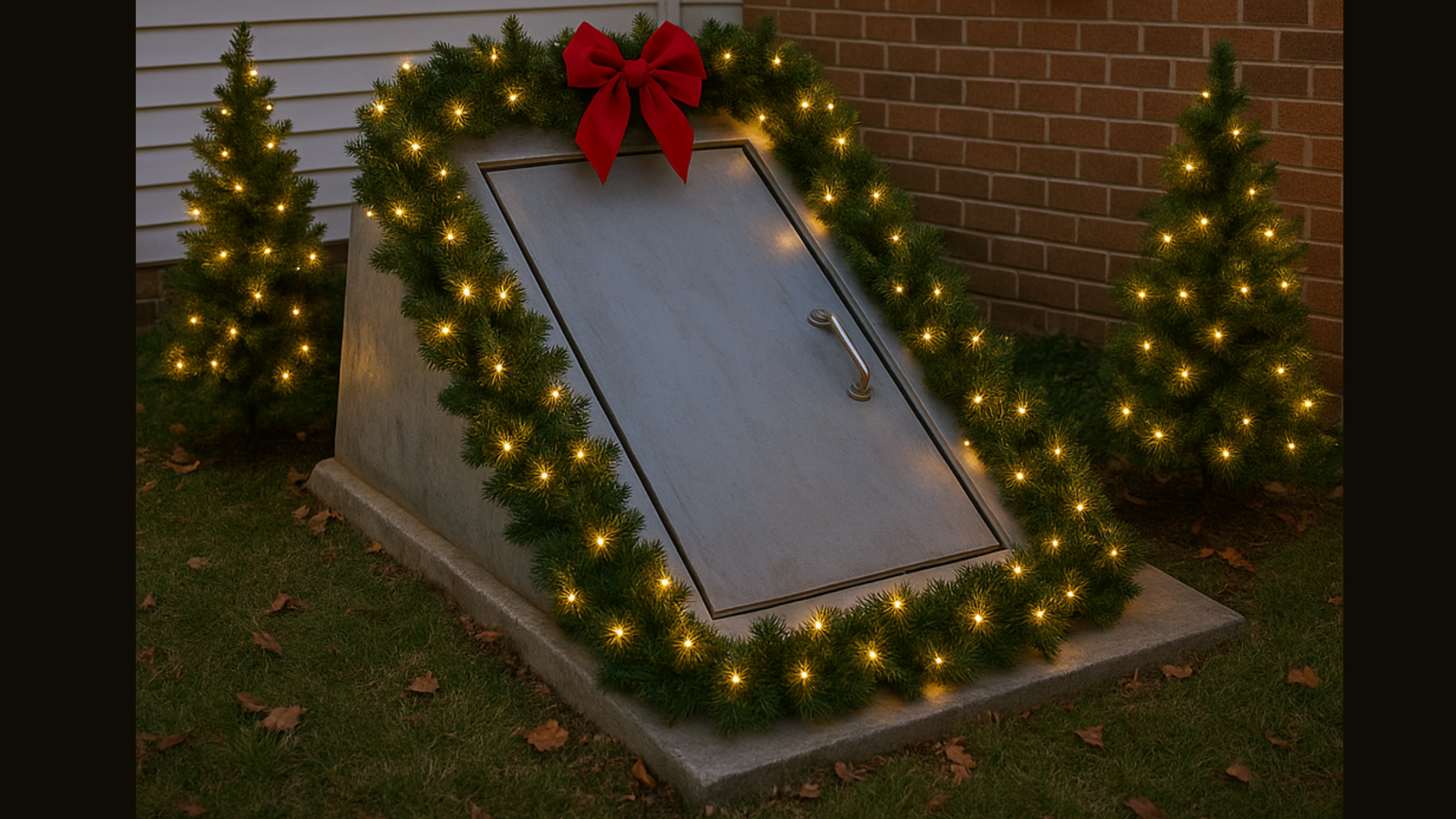
Discover 7 practical holiday preparedness gifts — from emergency kits and solar gear to a StormVault Shelter. Give the gift of safety, security, and peace of mind this season. Learn why preparedness is the most meaningful gift for families in Kentucky, Indiana, and Illinois
Keep your family safe this Thanksgiving with StormVault Shelters. Discover essential storm preparedness tips for late-fall weather, home safety, and travel — and learn how a StormVault steel shelter provides peace of mind all year long.

Thinking about moving your storm shelter to a new home? Discover which shelters can be relocated, the costs, challenges, and expert tips to decide whether transporting or replacing your shelter is the smarter option.
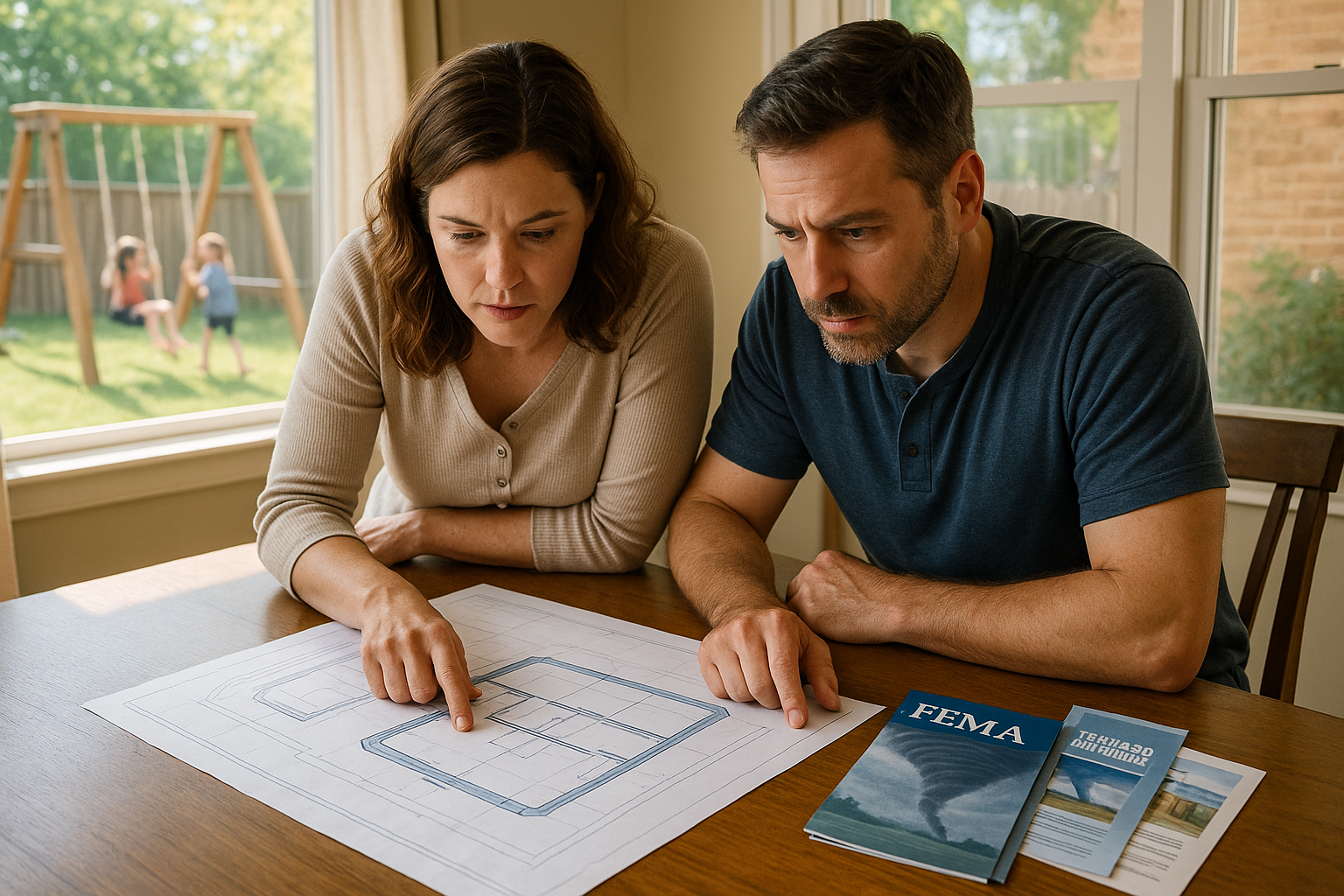
Learn how to choose the right tornado storm shelter for your family. Compare above vs. underground, garage vs. yard options, and the best sizes.

From cost savings to family safety, here’s why the perfect time to add a tornado storm shelter is before you unpack in your new home.
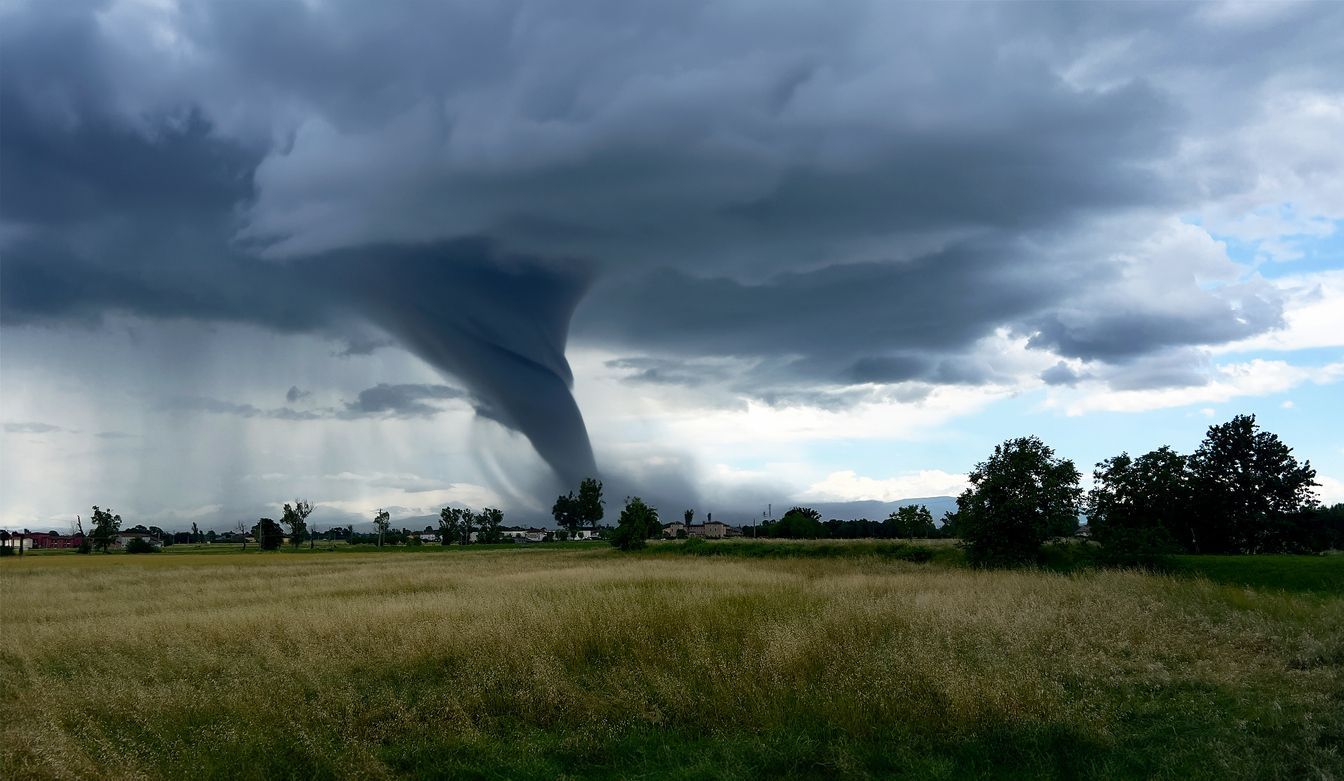
When most people think about tornadoes in the Midwest, they imagine springtime storms sweeping across “Tornado Alley.” But in states like Kentucky, Illinois, and Indiana, Fall can be just as dangerous—sometimes even more so. In fact, research has shown that a “secondary tornado season” often ramps up from September through November , creating a unique set of risks for homeowners and families across the region. This guide will walk you through why Fall is a particularly hazardous time, what makes tornadoes in Kentucky, Illinois, and Indiana so destructive, and how to prepare your household for the season ahead. Why Fall Tornado Season Matters in the Tri-State Region Spring isn’t the only time to worry about tornadoes. The National Weather Service has documented a clear pattern of increased tornado activity in the Fall months . Several factors combine to make this season especially risky in Kentucky, Illinois, and Indiana: Clashing Air Masses Fall is a season of transition. Cold, dry air from Canada collides with lingering warm, humid air from the Gulf of Mexico. This sharp contrast creates instability in the atmosphere—the perfect ingredient for severe storms and tornadoes. Stronger Jet Stream In Fall, the jet stream often dips farther south, providing the wind shear needed for storm rotation. That wind shear is what turns a thunderstorm into a tornado-producing supercell. Shorter Days, Earlier Darkness One of the most overlooked dangers of Fall tornadoes is that they often happen at night or during evening hours. With less daylight, tornadoes are harder to see, making warnings more crucial. Changing Weather Patterns La Niña and El Niño cycles can also impact tornado frequency. For example, La Niña years tend to bring more active Fall severe weather across the Midwest and Ohio Valley. Kentucky, Illinois, and Indiana: Why These States Are at Risk The Tri-State region sits at a geographic crossroads where Gulf moisture, cold Canadian air, and western weather systems converge. This means tornadoes here are both common and sometimes extremely strong. Kentucky has seen catastrophic late-season tornadoes, including the devastating December 2021 outbreak , which caused historic damage across the western part of the state. Illinois averages around 50 tornadoes per year, with several significant outbreaks recorded in November , including the EF-4 Washington, IL tornado in 2013. Indiana is also highly tornado-prone, with outbreaks in both spring and fall. The state’s flat terrain makes long-track tornadoes possible. Together, these states form a dangerous corridor for late-season severe weather. The Hidden Dangers of Fall Tornadoes While all tornadoes are dangerous, Fall tornadoes bring unique challenges: Surprise Factor – Many families let their guard down after spring, not expecting major tornadoes later in the year. Nighttime Storms – More Fall tornadoes occur after dark compared to spring, making them harder to spot and more deadly. Colder Weather Damage – Power outages during colder months can quickly become life-threatening due to loss of heat. Leaves and Debris – Fallen leaves can clog storm drains, worsening flooding during severe storms that accompany tornado outbreaks. How to Prepare for Fall Tornado Season Preparation is your best defense against the unexpected. Here are key steps homeowners in Kentucky, Illinois, and Indiana should take before the Fall storm season ramps up. 1. Create a Severe Weather Safety Plan Every family should have a plan for what to do when a tornado warning is issued. This includes: Knowing the safest place in your home (a basement or a small interior room on the lowest floor). Practicing tornado drills with children so they know exactly what to do. Establishing a communication plan if family members are separated. 2. Get Weather Alerts You Can Trust Because Fall tornadoes often strike at night, you may not see them coming. Don’t rely solely on outdoor sirens. Instead: Purchase a NOAA Weather Radio with battery backup. Sign up for local text alert systems . Install trusted weather apps that provide push alerts for tornado warnings. 3. Fortify Your Home While no house is tornado-proof, there are steps you can take to reduce risks: Trim trees and remove dead limbs that could become dangerous projectiles. Clear gutters and drains of leaves to prevent flooding. Reinforce garage doors, as they are often the weakest point in a home during high winds. If possible, install impact-resistant windows. 4. Stock an Emergency Kit Tornadoes often bring power outages and road closures. Your kit should include: Flashlights and extra batteries Bottled water and nonperishable food Blankets and warm clothing (critical for Fall tornadoes) First aid supplies and necessary medications A battery-powered phone charger 5. Consider a Storm Shelter For the ultimate peace of mind, many families in Kentucky, Illinois, and Indiana are choosing to install steel storm shelters . FEMA and ICC/NSSA-compliant shelters are designed to withstand EF-4 and EF-5 tornadoes—the strongest on record. Having a shelter means: You and your family are protected no matter when the storm strikes. Property value can increase, as buyers see the shelter as a life-saving feature. Peace of mind knowing you don’t have to gamble with basement safety if debris or structural collapse is a concern. What to Do During a Tornado Preparation is only half the battle—knowing what to do in the moment is critical. If You’re at Home Go immediately to your safe room or shelter. Avoid windows. Flying glass causes many injuries. Protect your head with a mattress, helmet, or heavy blankets. If You’re in a Vehicle Do NOT try to outrun a tornado in congested areas. If possible, safely drive at right angles to the tornado’s path. As a last resort, lie flat in a low ditch and cover your head. If You’re in a Public Building Follow posted tornado shelter signs. Stay away from large-span areas like gyms or auditoriums, which are more likely to collapse. After the Tornado: Recovery and Safety The aftermath of a tornado can be just as dangerous as the storm itself. Watch for hazards like downed power lines, gas leaks, and unstable structures. Check on neighbors , especially elderly or disabled individuals. Document damage for insurance purposes with photos and videos. Avoid driving unless absolutely necessary—emergency crews need clear roads. Key Historical Fall Tornado Outbreaks in the Region To understand the risk, it helps to look back at history: November 17, 2013 – Illinois & Indiana A massive outbreak spawned over 70 tornadoes, including an EF-4 that devastated Washington, IL. November 6, 2005 – Evansville, IN A nighttime tornado struck a mobile home park, killing 24 people in their sleep. December 10, 2021 – Kentucky One of the deadliest late-season outbreaks in U.S. history, producing a long-track EF-4 tornado that tore across western Kentucky, killing dozens and destroying entire towns. These events highlight why Fall tornadoes are not to be underestimated. Final Thoughts: Don’t Let Your Guard Down This Fall Kentucky, Illinois, and Indiana residents know spring tornadoes are serious—but Fall tornado season can be just as deadly. The unique mix of unstable weather patterns, stronger jet streams, and nighttime storms makes preparation vital. By creating a plan, staying alert, fortifying your home, and considering a shelter installation, you can dramatically reduce your risk and keep your family safe. Don’t wait until warnings start blaring. Now is the time to prepare—before the next storm comes rolling across the Midwest.